

Each payment processor’s provider is promising seamless transactions at unbeatable rates. But not all payment processors are equal, and finding one that best matches your needs is important to building trust, improving customer experience, and having better financial efficiency. In this blog, we will look at a few traits to keep an eye out for when looking for potential providers.
Payment Security Is Non-Negotiable
When handling sensitive customer information, strong security features are extremely important. Look for payment processors who meet PCI DSS (Payment Card Industry Data Security Standard) and that provide tokenization, encryption, and fraud detection tools as additional layers of protection. This will make sure that your customer data is secure and builds customer trust in your business.
Compatibility with Your Business Model
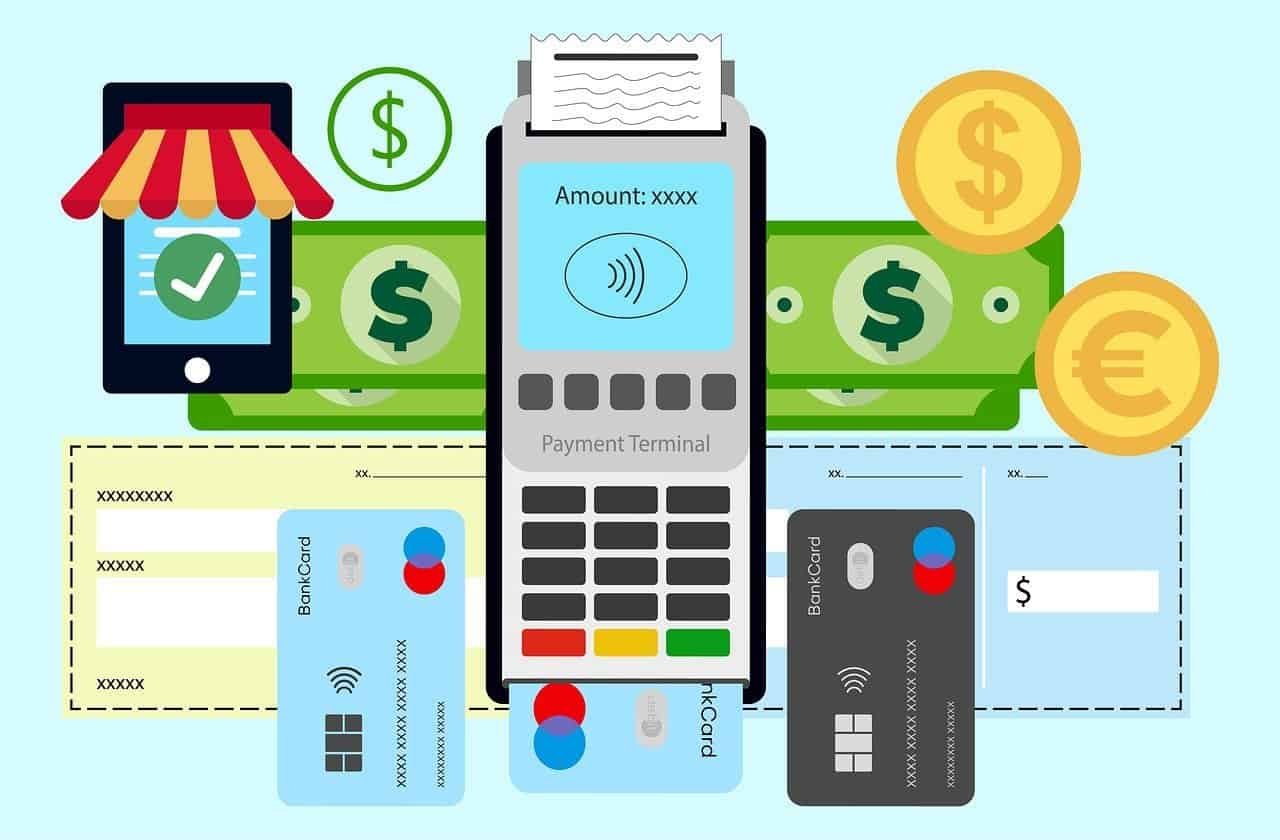
A payment processor must fit like a glove with the way your business operates to enable efficient payment receipt. For physical stores, this involves investing in reliable card readers and point-of-sale systems designed to facilitate transactions easily. If your business operates online, you must prioritize payment gateways that integrate smoothly with your website, support multi-currency transactions for international customers, and offer digital wallet payments such as Apple Pay or Google Pay. Your payment processor should match your individual needs without adding unnecessary complexity to your processes, creating smoother operations and improving overall customer experience. When you choose one that enhances your ability to accept payments, you ensure a superior experience for customers while making life easier for yourself and staff.
Transparent and Competitive Pricing
Understanding a payment processor’s pricing structure is important to protecting your business from unexpected fees. Avoid providers who hide costs behind vague terms such as “miscellaneous fees.” Instead, look for transparency. Compare charges for transaction fees, monthly fees, setup costs, and recurring charges before choosing one that supports your revenue goals best. Flat-rate pricing models may work better depending on your transaction volume.
Flexibility in Payment Options
Consumers expect flexible payment methods, and businesses that fail to offer various payment solutions could lose sales. Look for payment processors who support debit and credit cards, contactless payments, and buy-now-pay-later options. Offering more payment methods not only improves your customer satisfaction but can also increase your conversion rates as well.
Customer Support That Has Your Back
Nobody can afford to lose customers due to delayed transactions or technical glitches, so make sure your provider offers accessible customer service that responds quickly. Whether by phone, email, or live chat option. Solving issues quickly ensures smooth business operations with less downtime and increased uptime.
Reputation Matters
Finally, researching a payment processor’s reputation is worth your while. Read reviews from customers, solicit recommendations from other businesses, and evaluate their track record. Companies with histories of security breaches, poor customer support, or unreliable operations should be avoided. Instead, choose an experienced provider as a valuable investment in your business’s success.
Conclusion
An ideal payment processor goes beyond moving money. It should power your business by ensuring smooth transactions, customer satisfaction, and financial reliability. When you prioritize security, compatibility, and transparency when choosing a partner for your payment processing services, you can find one that aligns with your goals. Choose wisely, as your payment processor should work towards improving your operations and meeting your business goals rather than hindering them.